Using the Field Guide
Select a bird here or scroll down for example spectrograms and vocalizations for each of the five focal bird species and some common background noises. Press the play button below the spectrogram to hear the audio clip associated with each sound.
Bell's Vireo
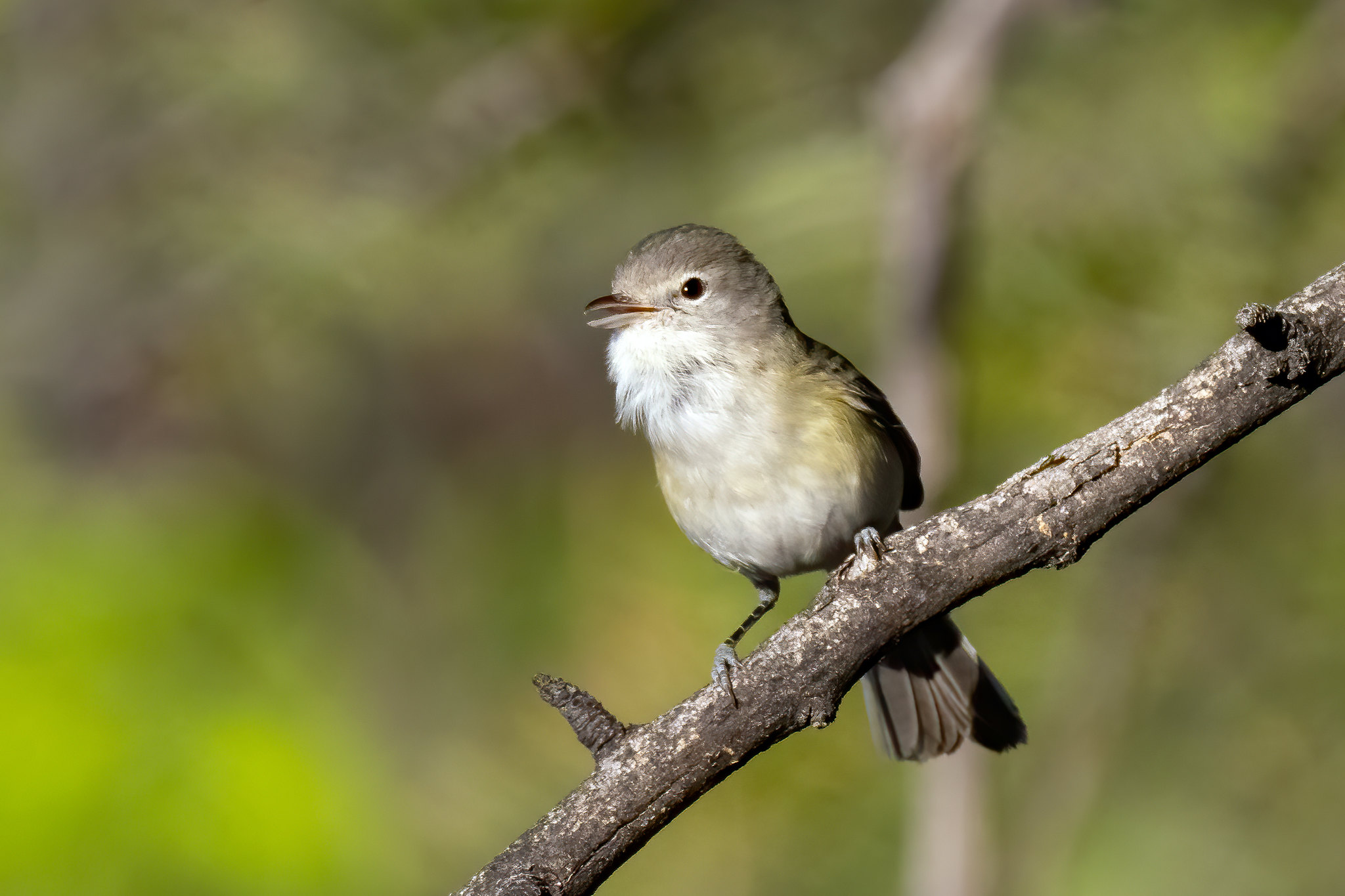
Photo: Mick Thompson on Flickr | License
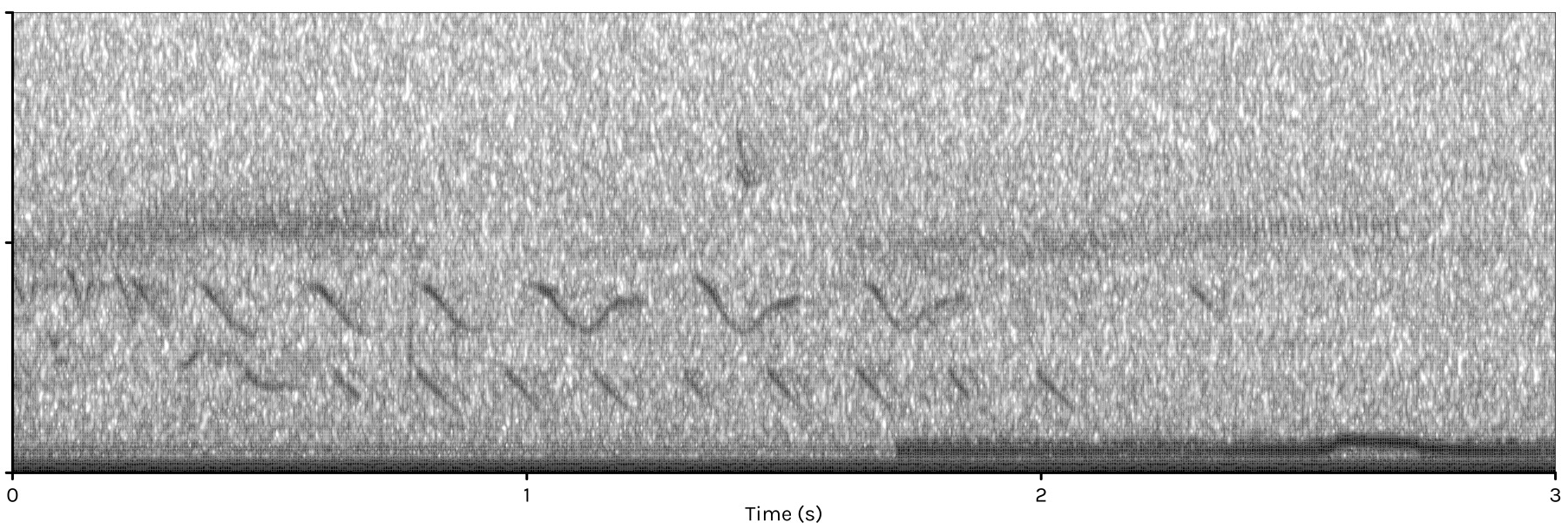
Bell's Vireos are small, greenish-gray songbirds with complex chattering songs. Their sounds are often nasally and look richly textured on spectrogram, with short ascending and descending sounds in series.
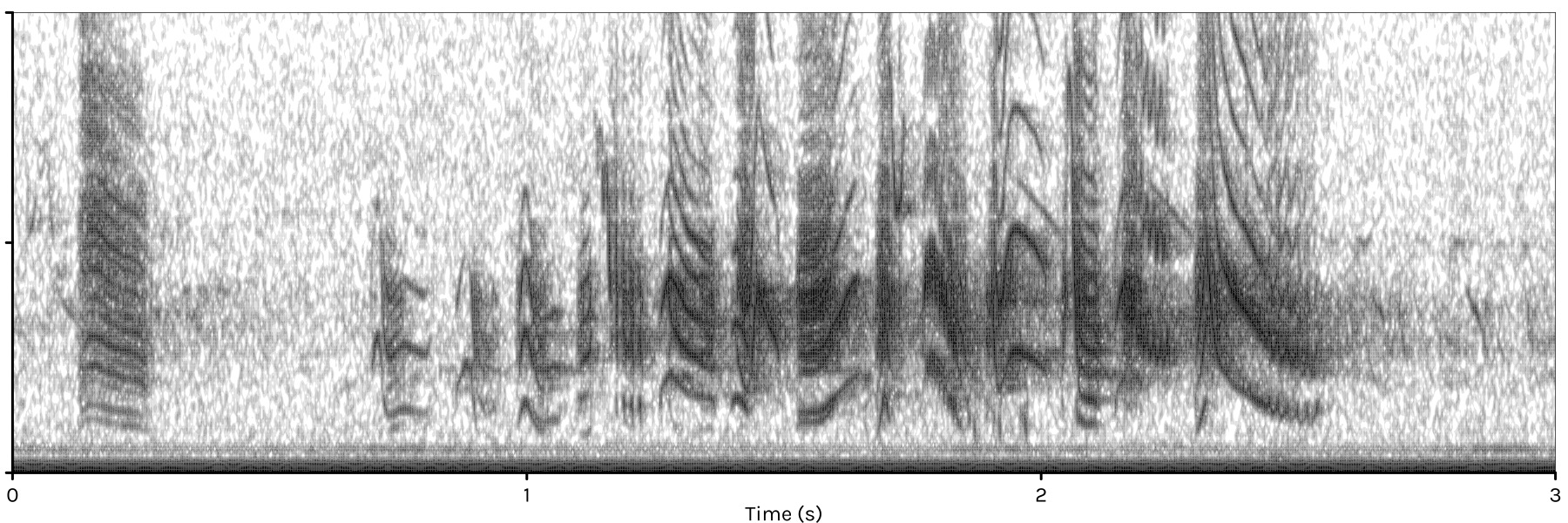
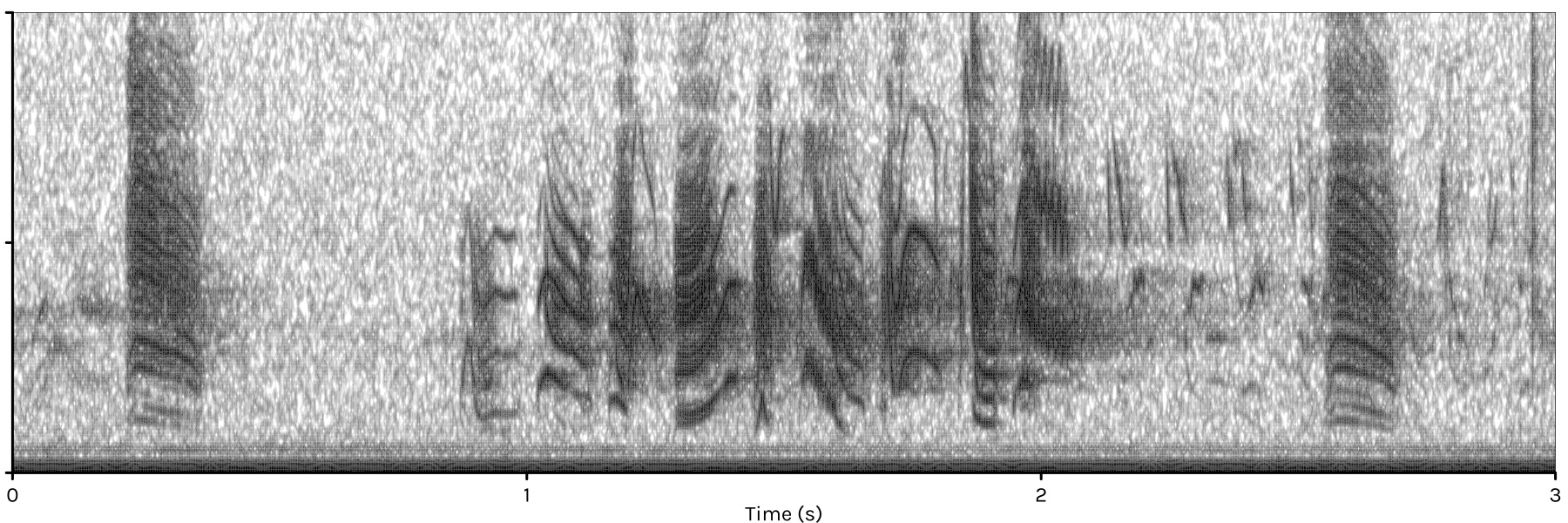
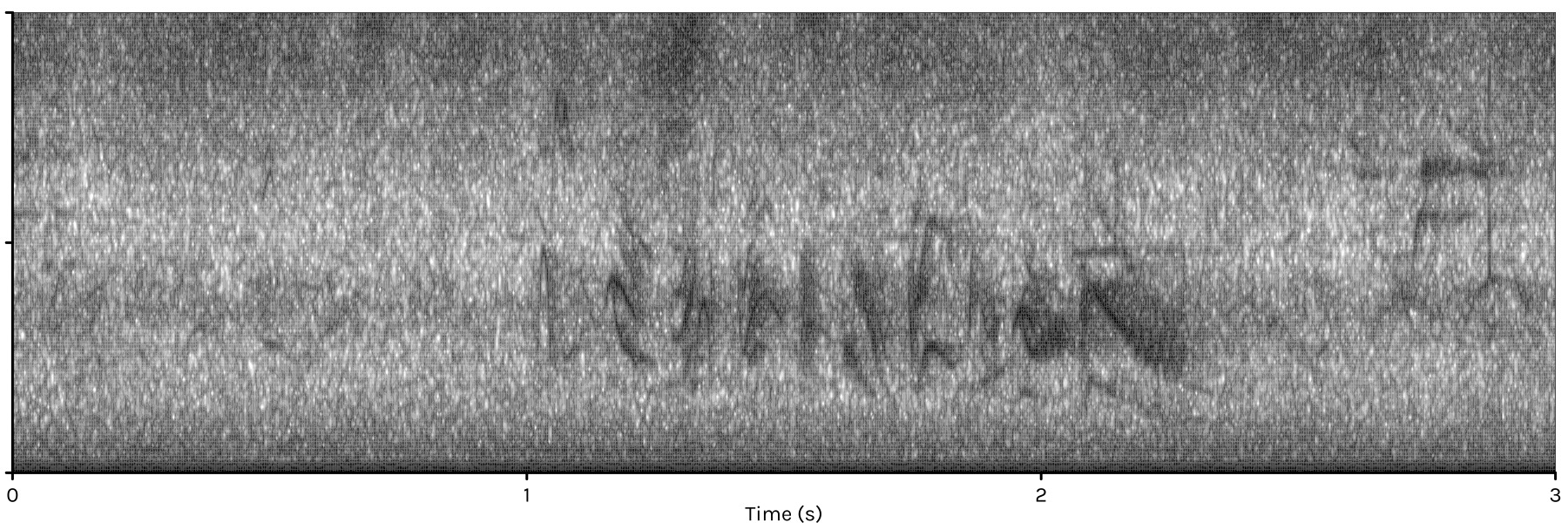
From far away, the spectrogram may only show the lower frequencies of the sound.
Mourning Dove
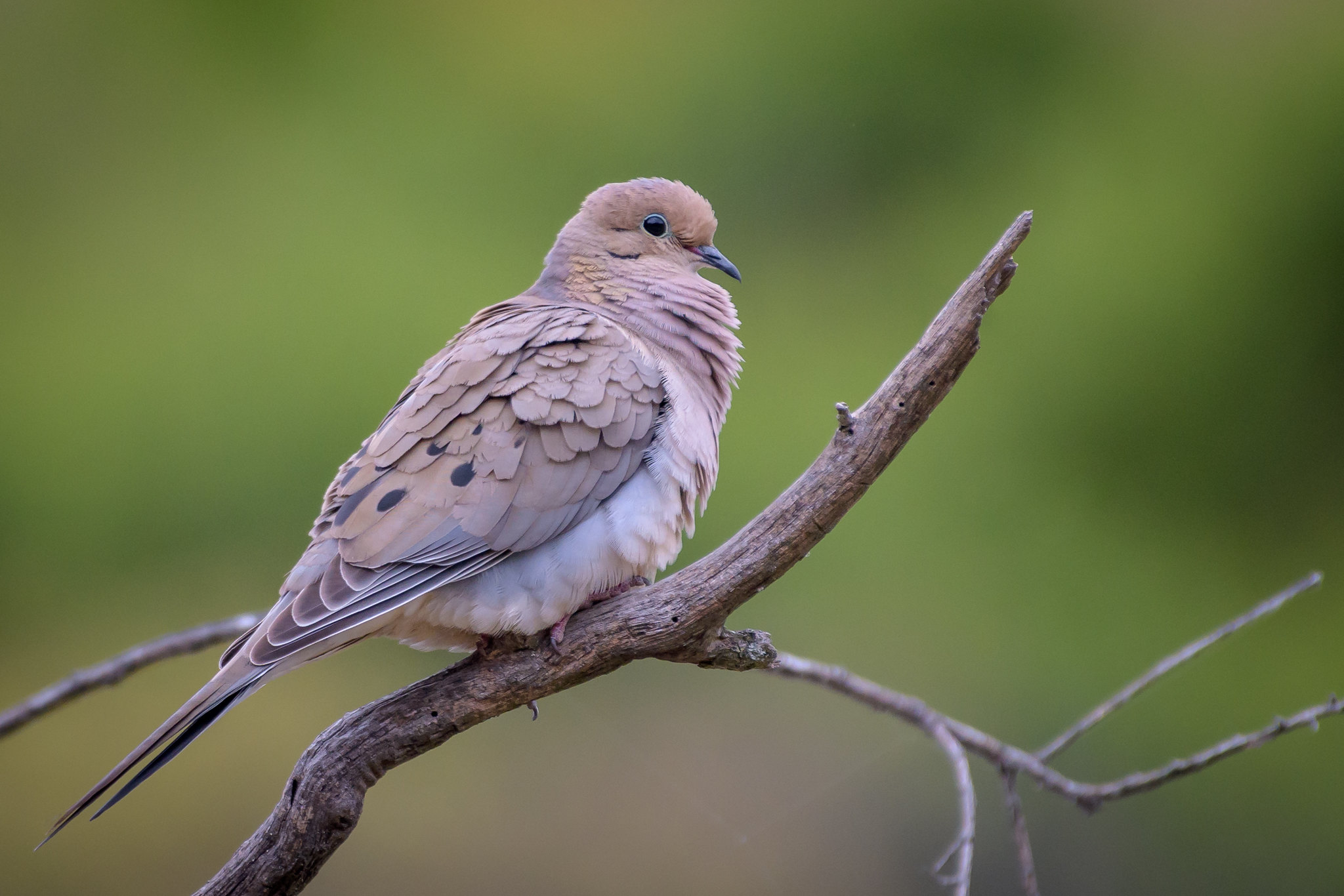
Photo: Becky Metsubara on Flickr | License
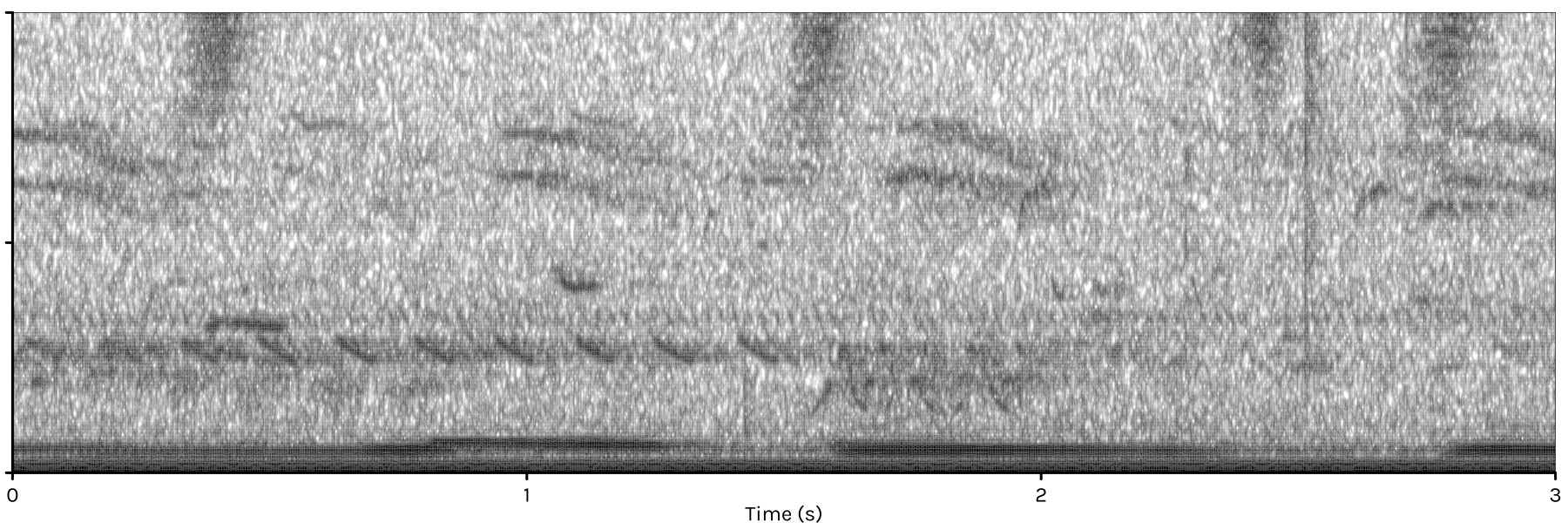
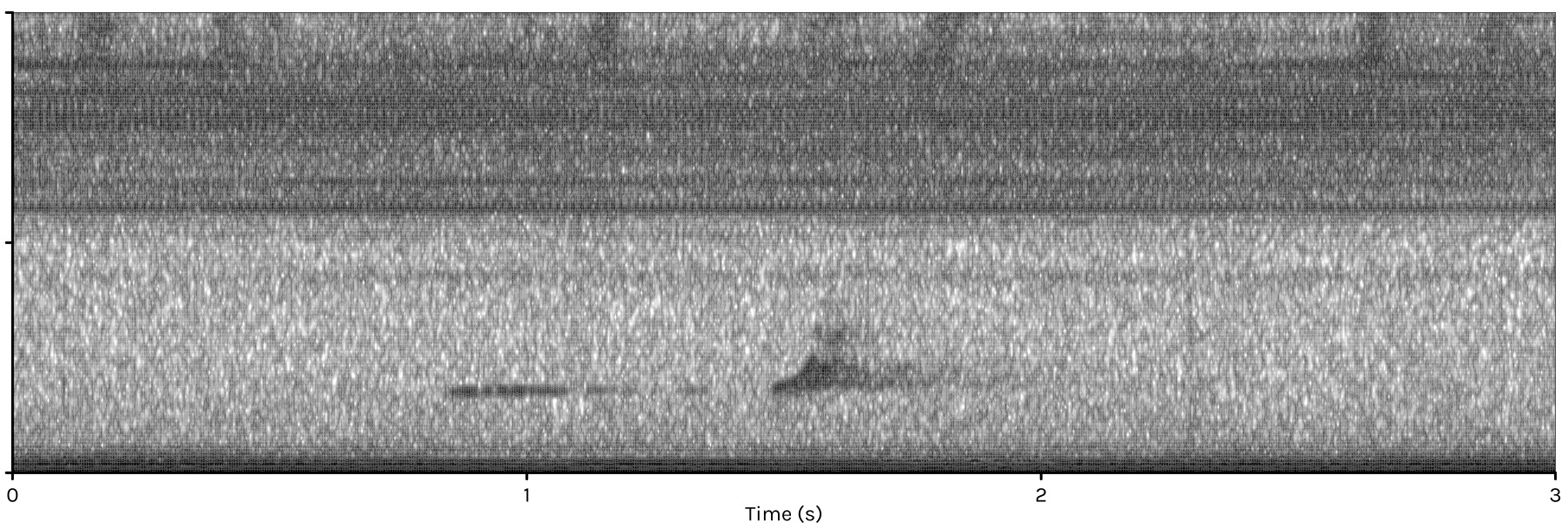
Mourning Doves are grayish-brown birds that forage for seeds on the ground. Their vocalizations are a slow series of long cooing sounds. Look for long streaks at the very bottom of your spectrogram.
Northern Bobwhite
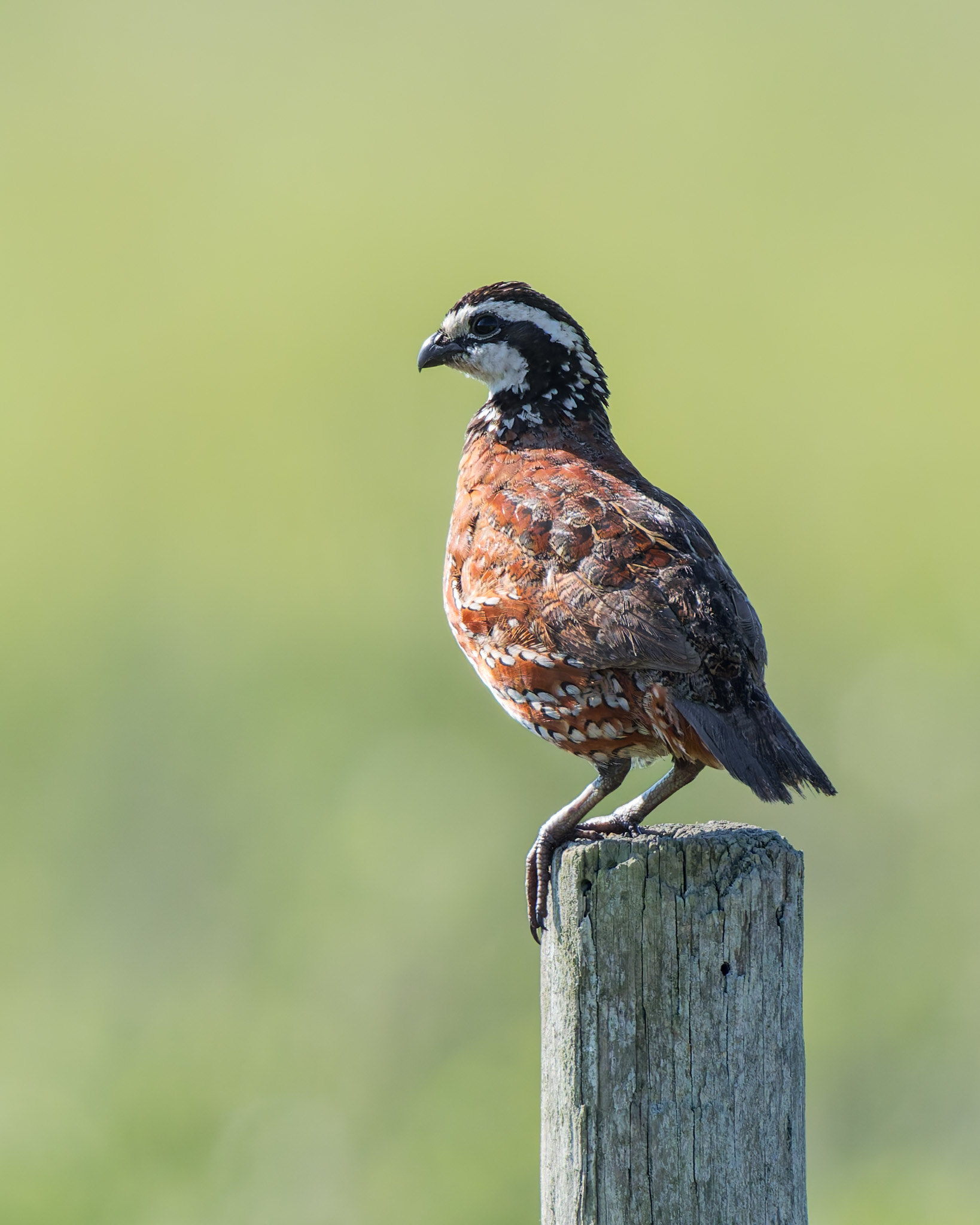
Photo: Gary Leavens on Flickr | License
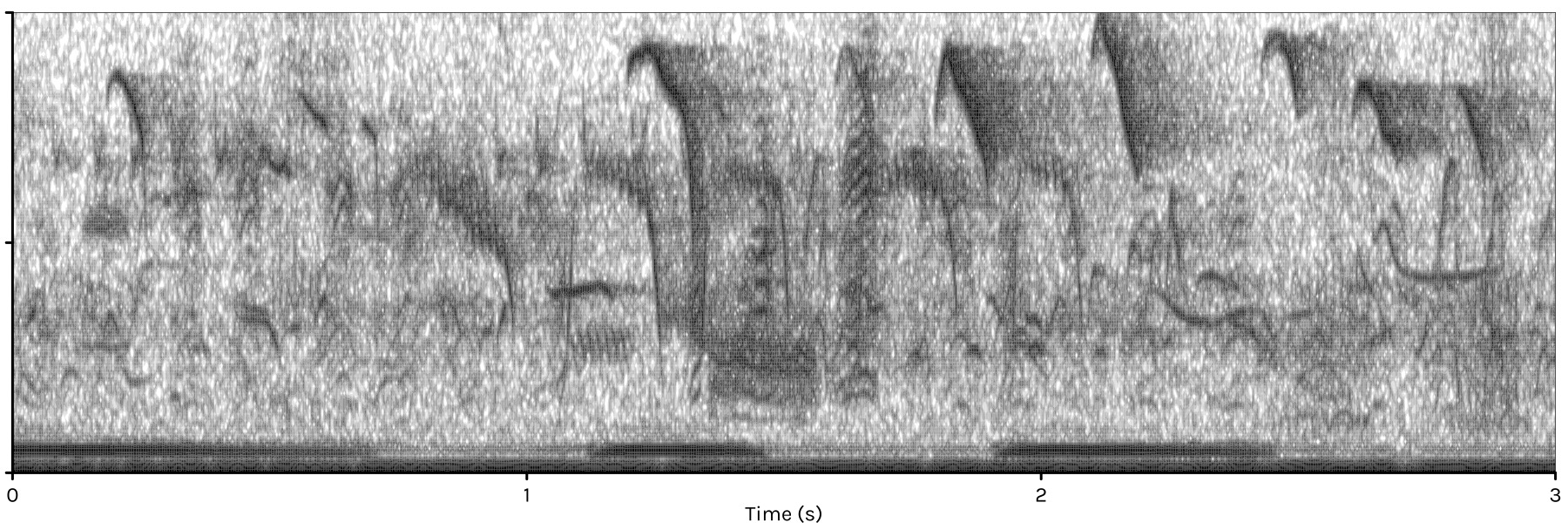
Northern Bobwhites are a New World Quail with intricate brown, black, and white spots. Their distinctive vocalizations carry long distances.
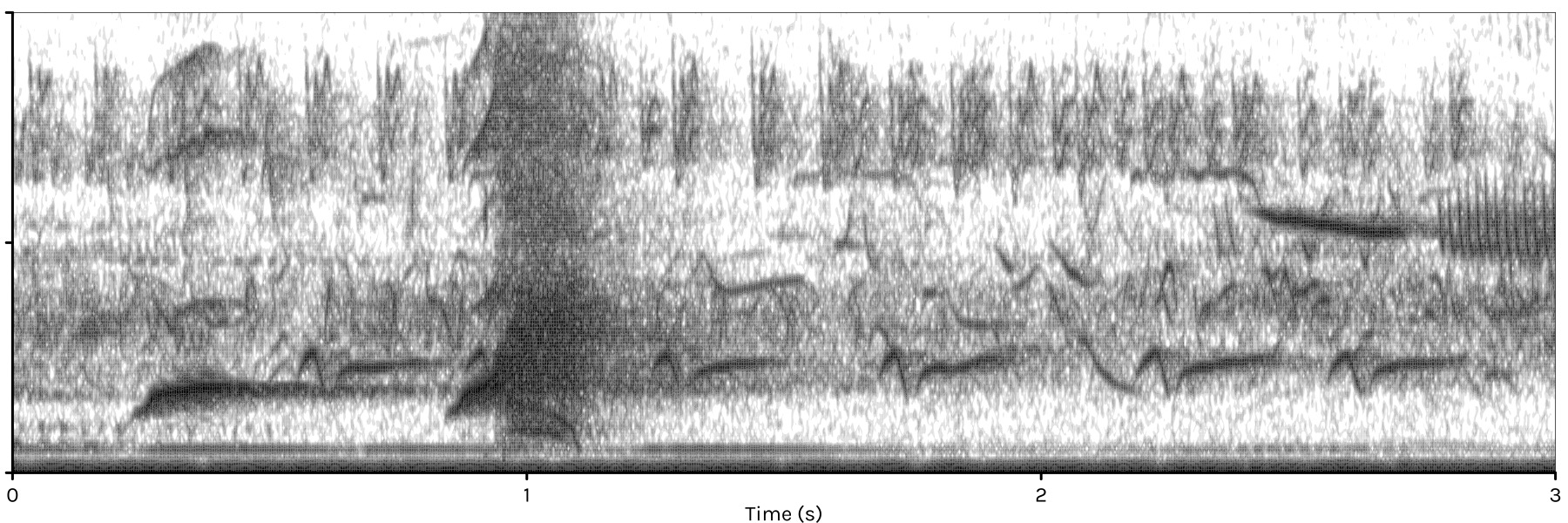
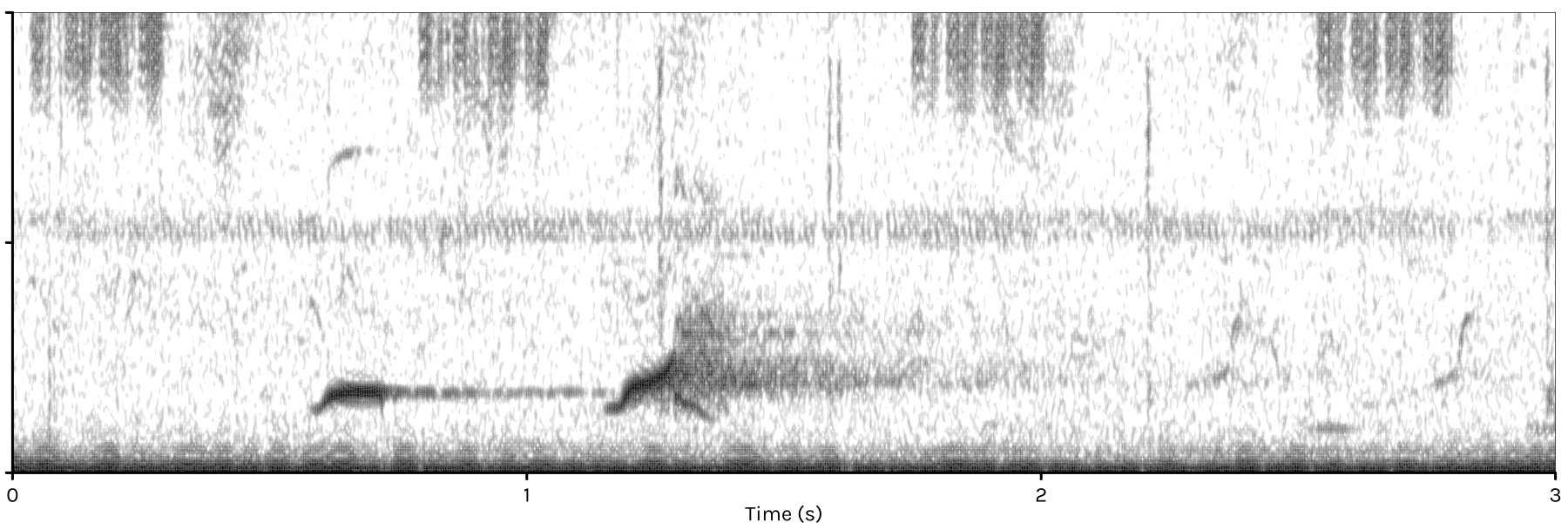
Listen for the Northern Bobwhite's distinctive "Bob-white!" song that looks like a golf club or hockey stick on spectrogram.
Summer Tanager
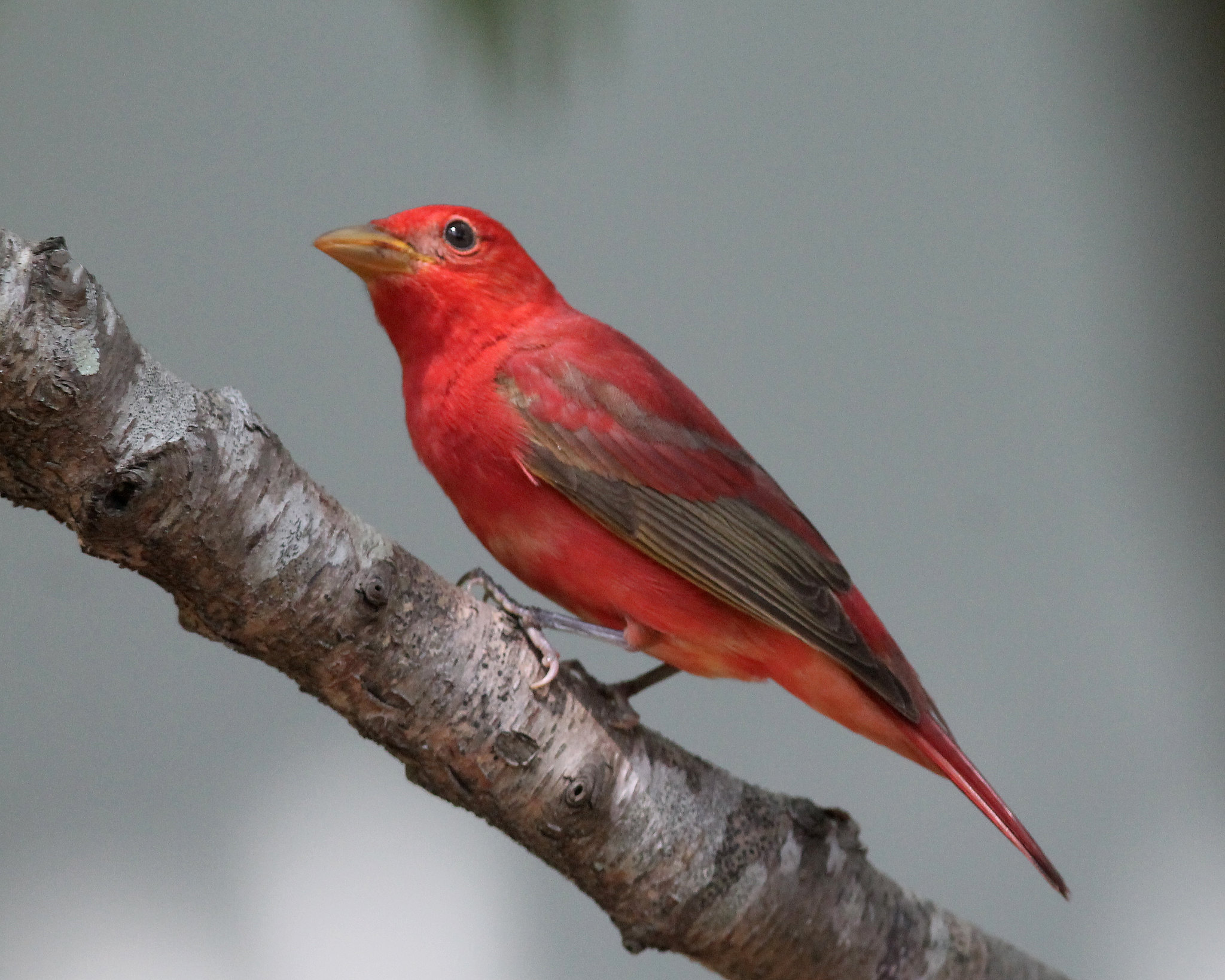
Photo: Mary Keim on Flickr | License
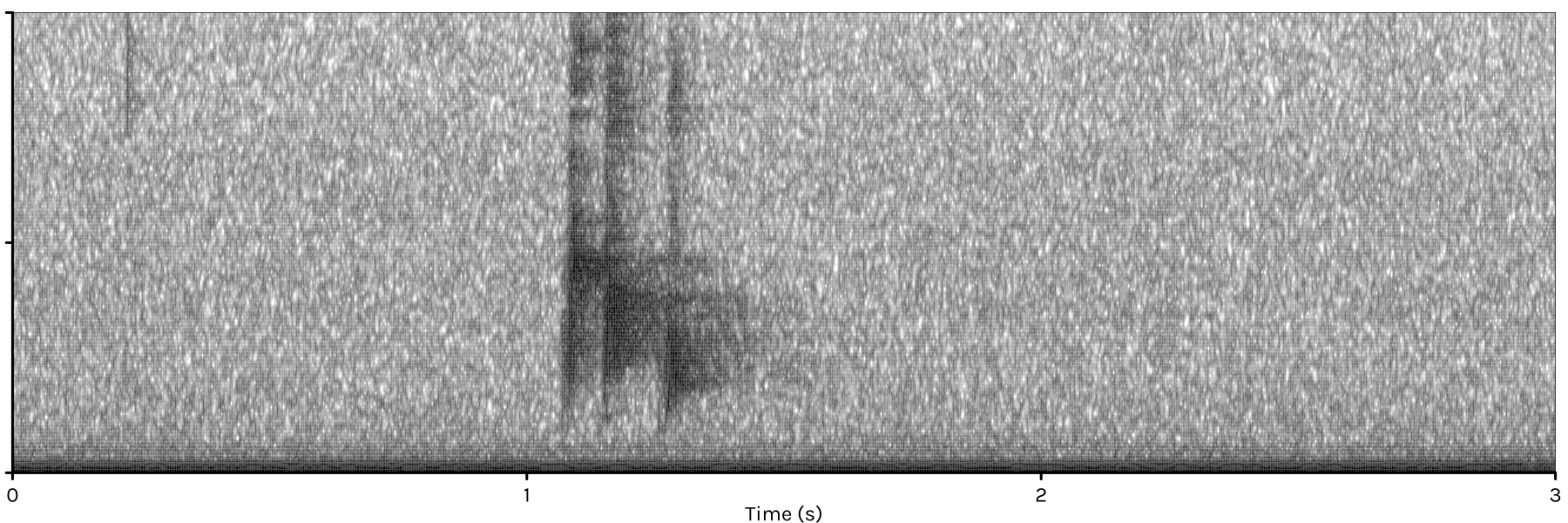
Male Summer Tanagers are bright red, and females are bright yellow. Listen for their distinctive clicking calls and sweet whistling songs.
Calls are a distinctive series of clicking sounds that look like vertical lines on the spectrogram. There are usually between three and eight clicking sounds in a row.
Vermilion Flycatcher
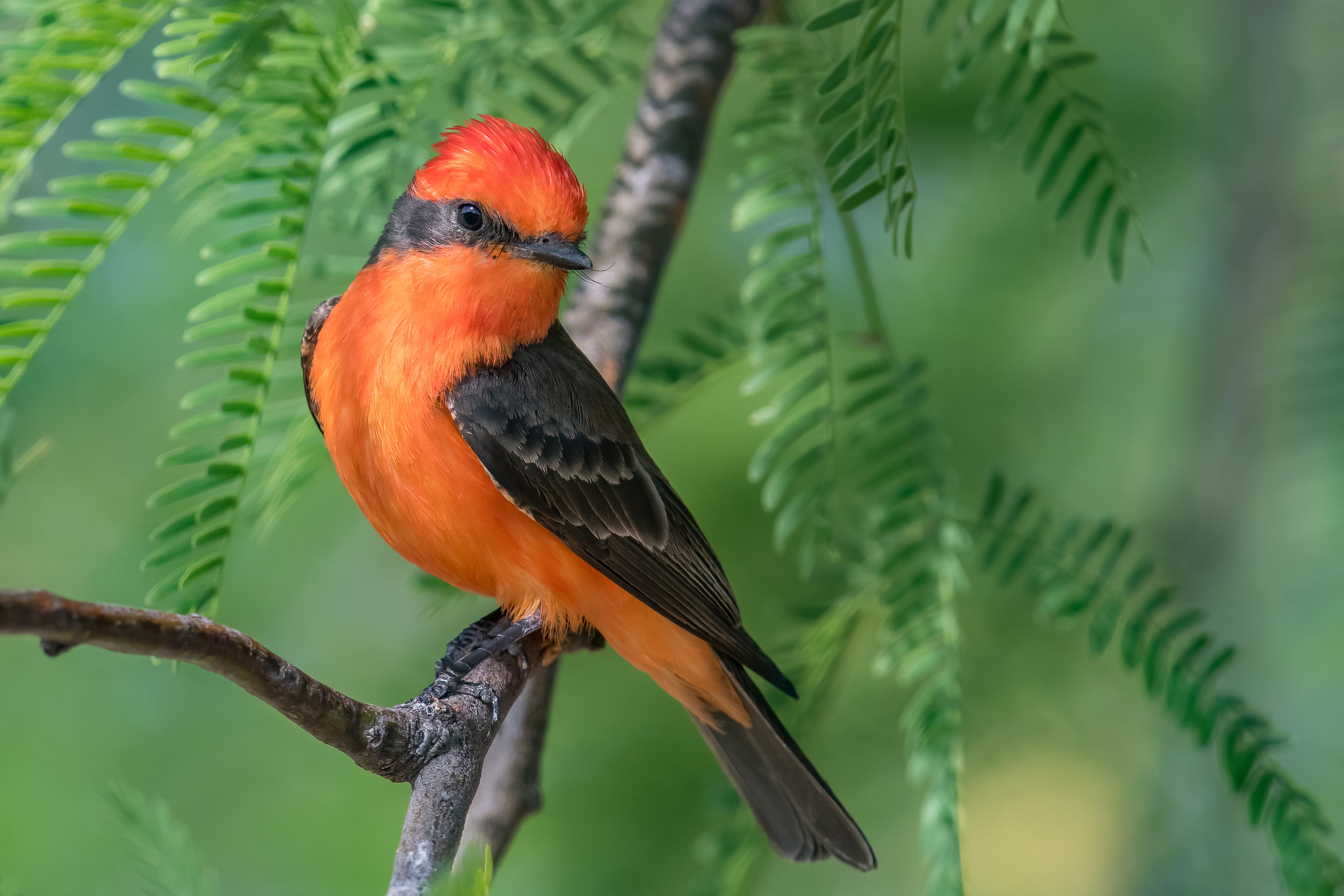
Photo: Mick Thompson on Flickr | License
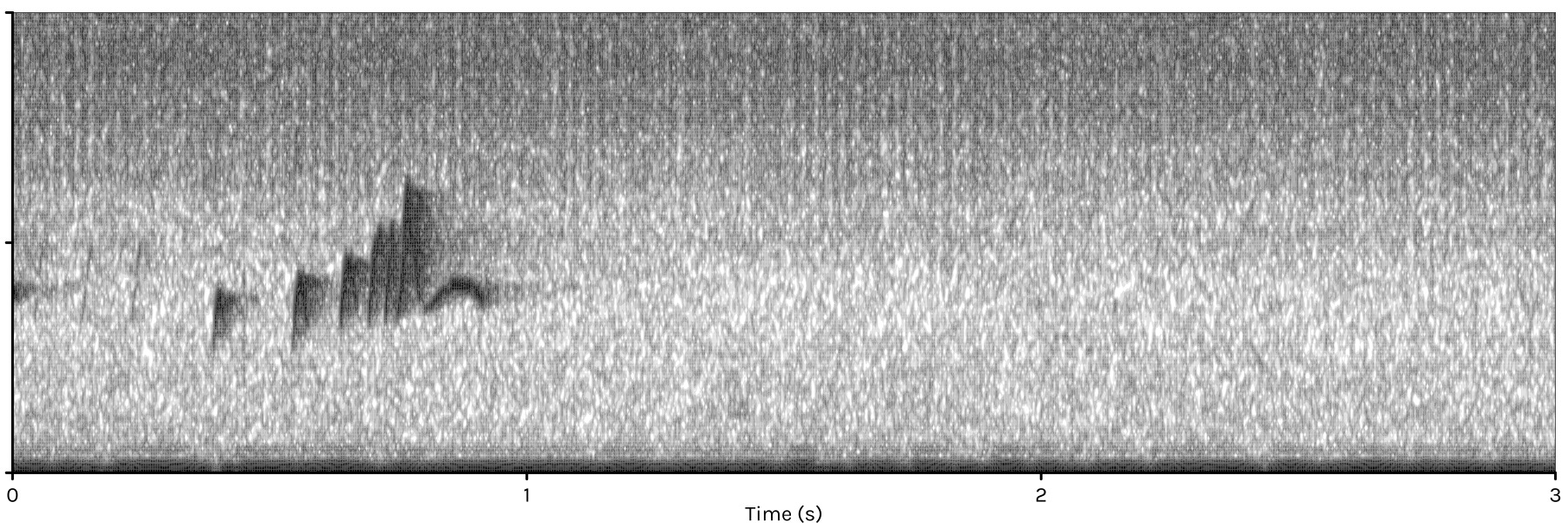
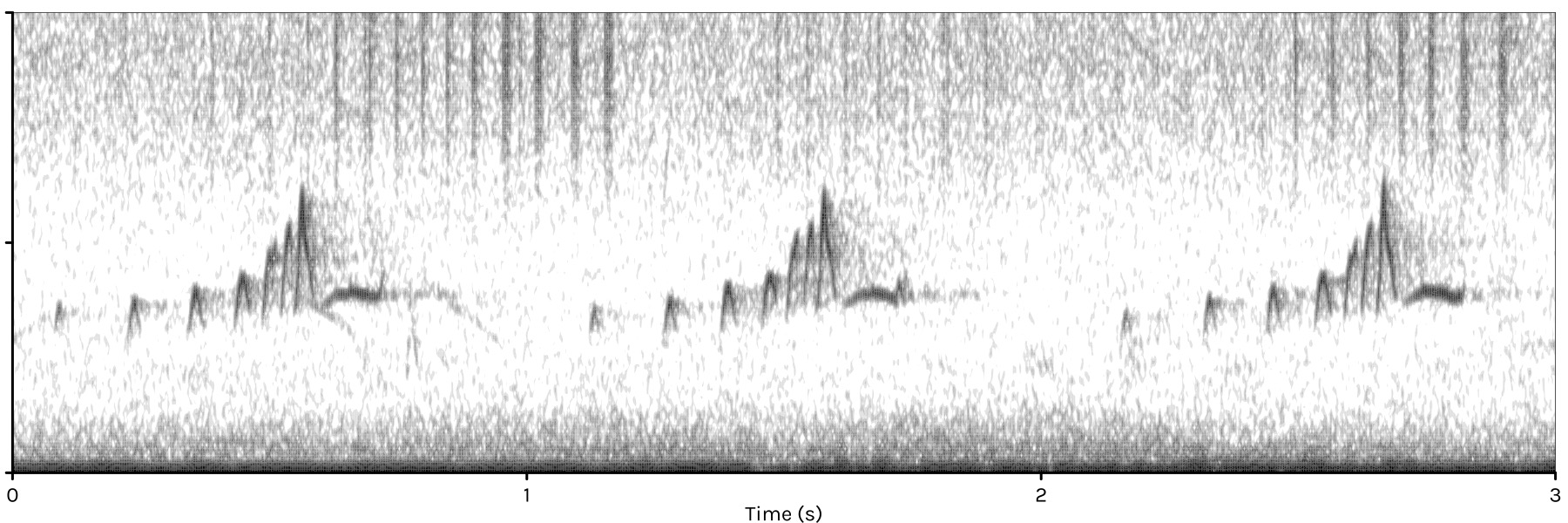
With their shockingly red feathers and a black mask behind their eyes, male Vermilion Flycatchers are easy to spot as they flutter above the grass and scrub. Listen for their distinctive twittering song that looks like a series of small mountains on spectrograms.
Songs are a brief series of chirping sounds that rise and fall.
Background Noise
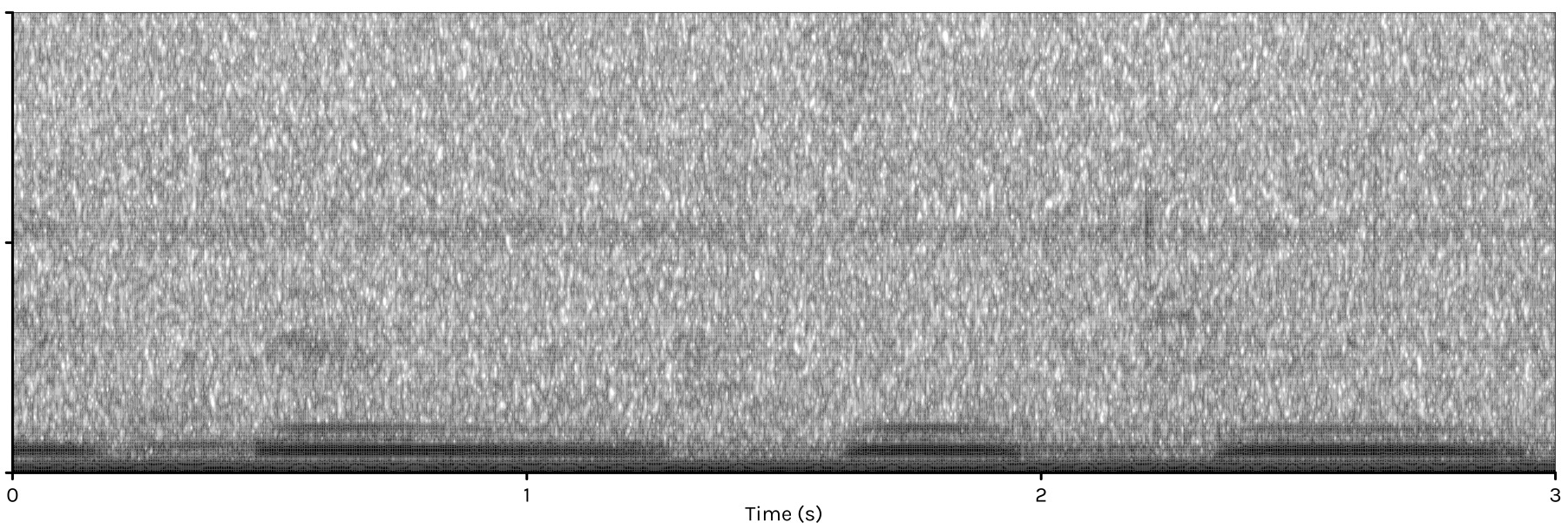
You might see background noises (insects, dogs, and livestock) in your spectrogram from the other vocalizing animals on the research property. While you won't use these sounds in your hypothesis, it might be useful to recognize them from the spectrogram--so you know they aren't bird sounds!
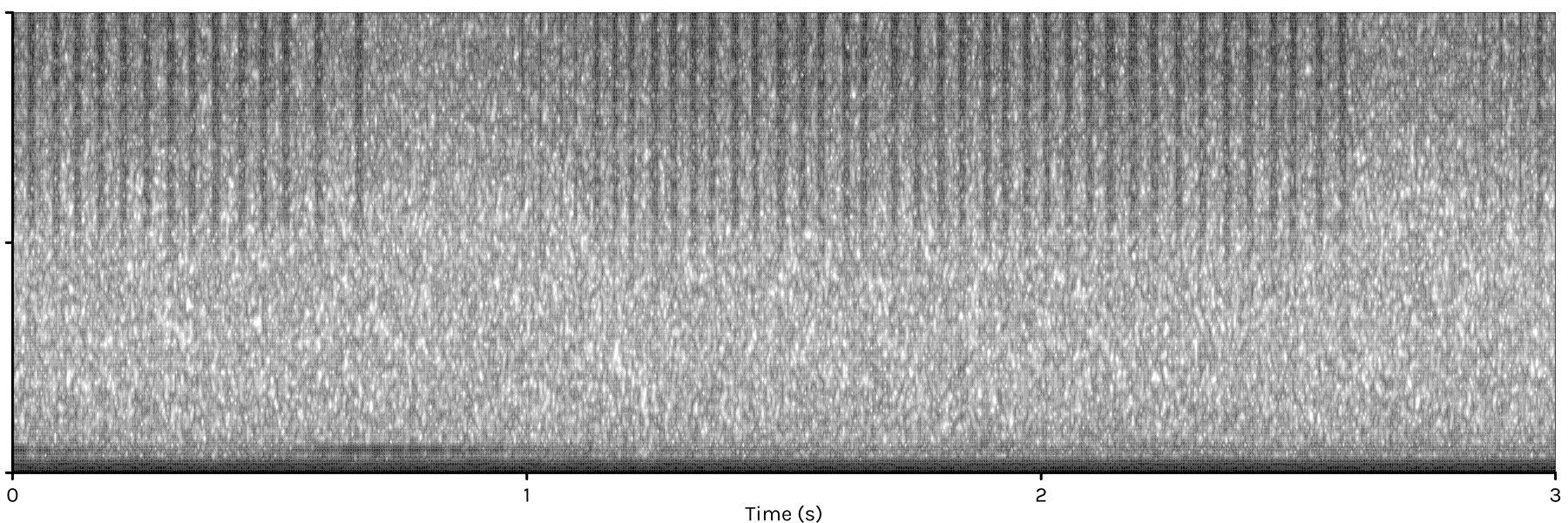
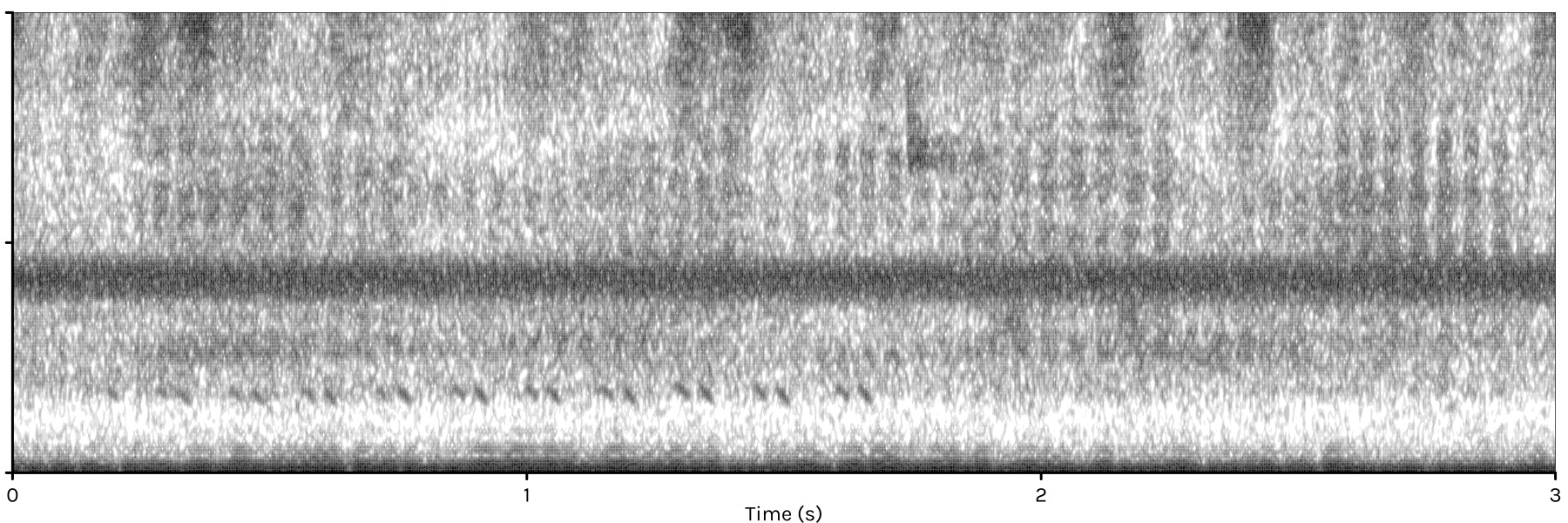
Insects look like long horizontal streaks at the middle of the spectrogram, or very hiqh-frequency vertical lines.
Dog barking looks like low-pitched lumps at the bottom of the spectrogam.
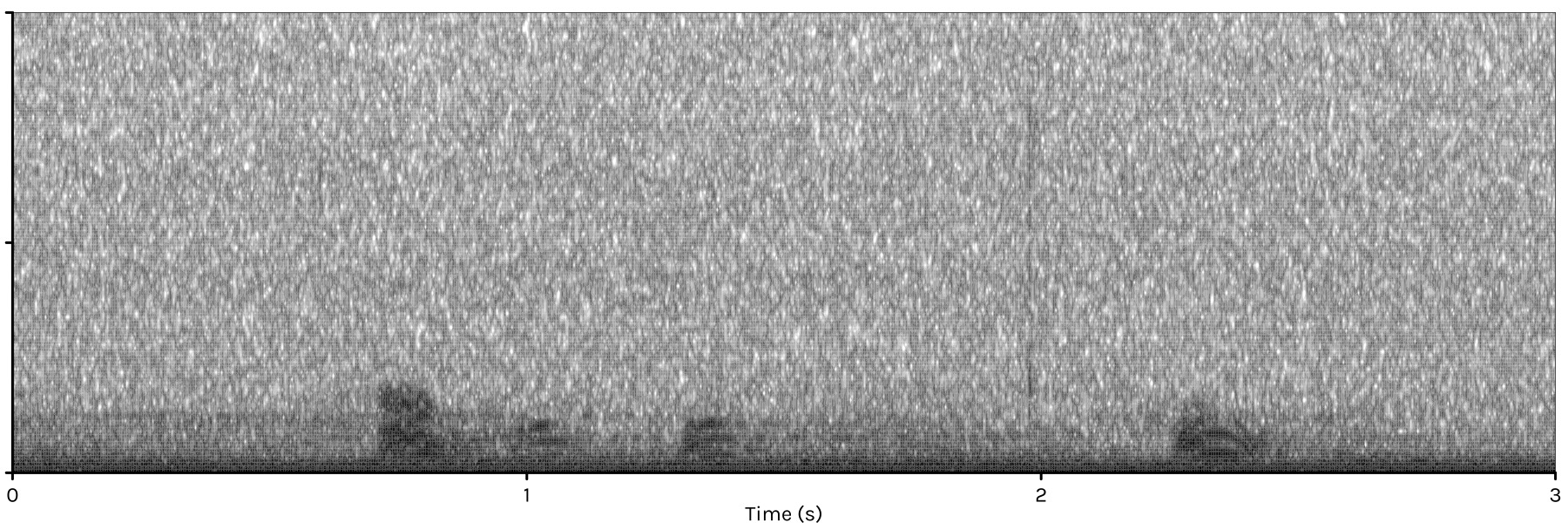
Cow, goat, and sheep vocalizations look like wavy lines at the bottom of the spectrogram.